
FREQUENTLY ASKED QUESTIONS (FAQs)
Yes! Nutrient-dense foods influence hormone production, reduce inflammation, support the liver (which detoxes excess hormones), and improve insulin sensitivity.
Yes with a few tweaks. Replace animal protein with plant-based options like lentils, tofu, tempeh, and chickpeas. Include B12 supplements if fully vegan.
Absolutely. These meals form a great foundation for long-term hormonal health. Repeat the plan or mix and match meals weekly.
Many people report better energy, improved mood, reduced bloating, and better sleep within 5–7 days. Deeper hormonal changes may take a few weeks.
Introduction
Hormones control nearly every function in your body—from mood and energy to weight, metabolism, sleep, and fertility. But modern stress, poor diet, and environmental toxins can send your hormones off balance, leading to fatigue, weight gain, acne, mood swings, irregular cycles, and more.
The good news? You can support hormone balance naturally with the right foods. This article includes a 5-day hormone-balancing meal plan, packed with ingredients that nourish your endocrine system, improve energy, and help you feel like yourself again.
Why Hormone Balance Matters
Your body relies on a delicate balance of hormones like estrogen, progesterone, cortisol, insulin, and thyroid hormones. When they’re out of sync, everything can feel off.
Hormone imbalances can cause:
- PMS and mood changes
- Fatigue and brain fog
- Weight gain, especially belly fat
- Insomnia
- Low libido
- Fertility issues
Key Solution: A hormone-supportive diet with whole, anti-inflammatory, and nutrient-rich foods can help regulate these fluctuations.
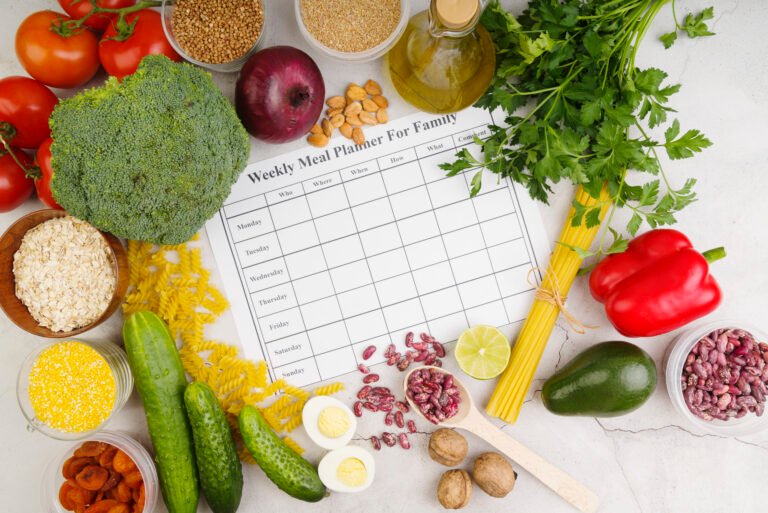
5-Day Hormone-Balancing Meal Plan
Each day includes foods rich in fiber, antioxidants, healthy fats, and essential nutrients like B vitamins, magnesium, zinc, omega-3s, and phytoestrogens.
Day 1: Detox & Support Liver Function
- Breakfast: Warm lemon water + Green smoothie (spinach, flaxseed, berries, plant protein)
- Snack: Brazil nuts + 1 boiled egg
- Lunch: Quinoa bowl with roasted veggies, chickpeas, and tahini dressing
- Snack: Apple slices with almond butter
- Dinner: Grilled salmon + sautéed kale + sweet potato
- Bonus Tip: Drink dandelion or nettle tea to support liver detox
Day 2: Balance Blood Sugar & Cortisol
- Breakfast: Chia seed pudding with unsweetened almond milk + berries
- Snack: Carrot sticks + hummus
- Lunch: Lentil and kale soup + gluten-free toast
- Snack: Handful of pumpkin seeds
- Dinner: Baked chicken breast + roasted Brussels sprouts + wild rice
Day 3: Boost Estrogen Metabolism & Gut Health
- Breakfast: Scrambled eggs with spinach + sauerkraut + avocado
- Snack: Greek yogurt (unsweetened) + cinnamon
- Lunch: Salad with arugula, broccoli sprouts, beets, hemp seeds, and olive oil
- Snack: Handful of walnuts
- Dinner: Turmeric roasted cauliflower + grilled tofu + quinoa
Day 4: Support Thyroid & Adrenal Health
- Breakfast: Oats with flaxseed, banana, and a spoon of tahini
- Snack: Seaweed snacks + handful of almonds
- Lunch: Sardine salad (rich in iodine & omega-3s) with greens and olive oil
- Snack: Hard-boiled eggs + cucumber slices
- Dinner: Turkey meatballs + zucchini noodles + pesto sauce
Day 5: Fight Inflammation & Boost Progesterone
- Breakfast: Smoothie with maca powder, banana, almond butter, and oat milk
- Snack: Fresh papaya + sunflower seeds
- Lunch: Brown rice bowl with steamed broccoli, tempeh, and tahini
- Snack: Dark chocolate (85%) + herbal tea
- Dinner: Baked cod + asparagus + mashed cauliflower
Key Nutrients for Hormone Balance
|
Nutrient |
Benefits |
Best Sources |
|
Omega-3s |
Reduces inflammation, supports brain |
Fatty fish, flaxseed, chia seeds |
|
Magnesium |
Regulates cortisol & insulin |
Dark leafy greens, nuts, avocados |
|
Zinc |
Supports ovulation, thyroid, libido |
Pumpkin seeds, lentils, red meat |
|
Fiber |
Helps eliminate excess estrogen |
Veggies, flaxseed, oats, legumes |
|
B Vitamins |
Hormone synthesis & stress support |
Eggs, leafy greens, whole grains |
|
Iodine |
Essential for thyroid function |
Seaweed, fish, iodized salt |
|
Vitamin D |
Supports progesterone and immunity |
Sunlight, salmon, egg yolks |
Best Practices for Hormone-Friendly Eating
- Eat every 3–4 hours to stabilize blood sugar
- Choose organic produce and pasture-raised protein where possible
- Avoid processed foods, added sugars, alcohol, and refined carbs
- Include fermented foods for gut health (which influences estrogen clearance)
- Cook with hormone-friendly fats like olive oil, coconut oil, and avocado oil
- Stay hydrated (aim for 2–3 liters per day)
Key Terms to Know
|
Term |
Definition |
|
Phytoestrogens |
Plant compounds that mimic estrogen (found in flax, soy, legumes) |
|
Cortisol |
Stress hormone that can disrupt weight and sleep when chronically high |
|
Insulin Resistance |
Condition where cells don’t respond well to insulin—common in PCOS |
|
Endocrine System |
The system of glands (like thyroid, adrenals) that produce hormones |
|
Estrogen Dominance |
Too much estrogen compared to progesterone—can cause PMS, fibroids |
|
Adaptogens |
Natural herbs (like maca, ashwagandha) that support stress response |
Final Thoughts
Hormone health isn’t just about prescriptions it starts with your plate. This 5-day hormone-balancing meal plan supports your body with nourishing foods that help restore balance, boost energy, and improve overall well-being.
Even small changes to your diet can lead to noticeable improvements in mood, metabolism, skin, and sleep. Use this plan as a reset or repeat it regularly for continued benefits.