
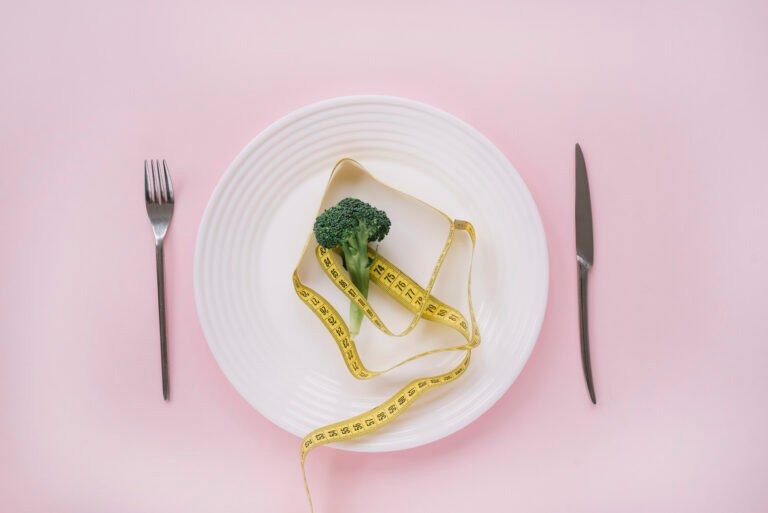
10 Reasons Why It’s Hard to Lose Weight and What You Can Do About It?
Losing weight is a goal many people set for health, confidence, or lifestyle reasons. But if
you’re trying to drop the pounds and not seeing results, you’re not alone.
Despite following diets, hitting the gym, or cutting calories, the weight just doesn’t seem to budge.
Why is it so hard to lose weight? The answer is complex and involves more than just
calories in vs. calories out. From hormones and stress to hidden sugars and
poor sleep, there are many unseen barriers working against your efforts.
In this detailed guide, we’ll explore the 10 most common reasons why losing weight
is so difficult, backed by science and how you can overcome each one.
1. You’re Not Eating As Little As You Think
Many people underestimate how many calories they consume. Even healthy meals can be
calorie-dense if you’re not measuring portions or paying attention to sauces,
dressings, or snacks.
Solution:
- Use a food diary or a calorie-tracking app to keep a realistic record.
- Measure portion sizes with a kitchen scale, especially for high-calorie foods like nuts, cheese, oils, and meats.
- Beware of “healthy” foods like smoothies or protein bars—they can be loaded with sugar or excess calories.
2. Your Metabolism Has Slowed Down
Your metabolism determines how many calories your body burns at rest. Dieting, especially crash dieting, can cause a drop in basal metabolic rate (BMR), making it harder to continue losing weight.
Solution:
- Focus on resistance training (lifting weights or bodyweight exercises) to preserve or increase muscle mass, which boosts metabolism.
- Avoid very low-calorie diets that make your body think it’s starving.
- Ensure adequate protein intake to support muscle and metabolic function.
3. You’re Not Getting Enough Sleep
Sleep deprivation increases levels of ghrelin (the hunger hormone) and
decreases leptin (the fullness hormone), making you hungrier and less
satisfied.
Lack of sleep also affects insulin sensitivity, making your body more prone to storing
fat.
Solution:
- Aim for 7–9 hours of quality sleep per night.
- Maintain a consistent sleep schedule.
- Create a relaxing nighttime routine (dim lights, no screens, warm shower, herbal tea).
4. Stress Is Sabotaging Your Efforts
When you’re under chronic stress, your body produces more cortisol, which increases
appetite especially for comfort foods rich in sugar, salt, and fat.
High cortisol also encourages fat storage in the abdominal area.
Solution:
- Incorporate stress-reducing activities into your daily routine: meditation, journaling, yoga, or breathing exercises.
- Spend time in nature or with loved ones.
- Don’t turn to food for emotional comfort identify the root cause and find healthy coping mechanisms.
5. You Have a Hormonal Imbalance
Hormones play a massive role in regulating hunger, metabolism, and fat storage. Issues like insulin resistance, thyroid disorders, PCOS (Polycystic Ovary Syndrome), or menopause can slow or prevent weight loss despite your efforts.
Solution:
- Consult a doctor for blood tests if you suspect a hormonal issue.
- Manage insulin resistance with a low-glycemic diet and regular exercise.
- Women with PCOS may benefit from low-carb eating and prescribed medications like metformin.
- Hormone therapy might be appropriate in some cases (under medical supervision).
6. You’re Drinking Your Calories
Beverages like soda, flavored coffees, fruit juices, and even smoothies can sneak hundreds of
calories into your day without making you feel full.
Even “healthy” green juices or sports drinks can contain sugars that impact insulin and fat
storage.
Solution:
- Stick with water, herbal teas, or black coffee.
- If you enjoy smoothies, make them at home with controlled ingredients and no added sugars.
- Avoid alcohol or limit to occasional drinks, as it not only adds empty calories but also lowers your inhibition, often leading to overeating.
7. You’re Not As Active As You Think
You might work out 3–4 times a week, but if you’re sitting most of the day, your total energy
expenditure remains low.
Many people overestimate calories burned through exercise and compensate by eating more than needed.
Solution:
- Increase daily movement: take walks, use stairs, stretch every hour, or do light housework.
- Try to reach at least 7,000–10,000 steps per day.
- Combine cardio, strength training, and NEAT (non-exercise activity thermogenesis) for sustainable calorie burn.
8. Your Diet Isn’t Right for You
There’s no one-size-fits-all diet. Keto might work for your friend, but not for you. If
your diet is too restrictive, lacks variety, or doesn’t suit your lifestyle, it’s hard to stick with it long term.
Solution:
- Choose a realistic, balanced eating plan that you enjoy and can maintain.
- Focus on whole foods lean proteins, healthy fats, vegetables, fruits, and whole grains.
- Use the 80/20 rule: 80% nutritious foods, 20% flexibility for treats or social occasions.
9. You’re Not Tracking Progress Accurately
The scale doesn’t tell the full story. You might be losing fat and gaining muscle, resulting in little to no change in weight—but big changes in body composition.
Water retention, hormones, and digestion can also cause fluctuations on the
scale.
Solution:
- Take progress photos and measurements (waist, hips, arms, thighs).
- Monitor how your clothes fit and how you feel.
- Use a body fat scale or calipers if possible, though even these have limitations.
10. You’re Not Patient Enough
Weight loss is a gradual process, and expecting overnight results can lead to frustration. Unrealistic expectations often cause people to give up too soon or switch plans constantly.
Solution:
- Set SMART goals: Specific, Measurable, Achievable, Relevant, Time-bound.
- Celebrate non-scale victories like better energy, improved sleep, clearer skin, or stronger workouts.
- Stay consistent for at least 4–6 weeks before making major changes.
Bonus: Medical Conditions That Can Make Weight Loss Hard
Certain conditions can make shedding pounds more difficult, including:
- Hypothyroidism
- Cushing’s syndrome
- Sleep apnea
- Diabetes or prediabetes
- Depression or anxiety (which may also involve
medication side effects)
If you’ve tried everything and nothing works, speak to your doctor to rule out underlying conditions or medications that could be interfering with weight loss.
Final Thoughts: The Journey Is Personal
If you’re struggling to lose weight, you’re not lazy, weak, or doing it wrong. Weight loss is impacted by biology, environment, emotions, and lifestyle. It’s not just about willpower it’s about building the right foundation and making informed, sustainable changes.
To recap, here are the top 10 reasons weight loss can be difficult:
- Underestimating calorie intake
- Slowed metabolism
- Poor sleep
- Chronic stress
- Hormonal imbalances
- Drinking calories
- Low daily movement
- Incompatible diet
- Flawed tracking methods
- Lack of patience and consistency
Remember:
The goal isn’t to lose weight fast—it’s to get healthier, feel better, and stay consistent.
Small changes, when done consistently, lead to big results over time.
Key Takeaway
If losing weight feels like an uphill battle, don’t be discouraged. With the right mindset, tools, and support, you can make meaningful progress. Start small, be kind to yourself, and trust the process.
Frequently Asked Questions (FAQs)
A healthy rate is 0.5 to 1 kg (1 to 2 pounds) per week. Faster loss may result in muscle loss or rebound weight gain.
Not always, but it helps. Mindful eating and portion control can work too if you don’t want to track every bite.
Yes, through diet alone, but exercise supports better health, muscle maintenance, and metabolism.
The one you can stick with long-term. Mediterranean, low-carb, intermittent fasting, and whole-food diets all work for different people.